
High calcium levels in the urine can predispose individuals to developing calcium oxalate or calcium phosphate kidney stones. More than 80% of kidney stones globally comprise calcium oxalate (CaOx). Over-the-counter pain medicines, such as NSAIDs kidneys hurt after drinking (nonsteroidal anti-inflammatory drugs) and Analgesics, may alleviate your aches and pains. They can also harm the kidneys, especially if you already have kidney disease. Reduce your regular use of NSAIDs and never go over the recommended dosage.

Dehydration, a common alcohol consequence, can also cause generalized body aches and muscle cramps. This happens due to electrolyte imbalance (like sodium and potassium) essential for muscle function. Reduced blood volume from dehydration can also decrease oxygen and nutrient delivery to muscles, causing fatigue and soreness. Alcohol acts as a diuretic, rapidly increasing urine production and fluid loss. This occurs because alcohol inhibits vasopressin (ADH) release from the pituitary gland.
What Are the Signs and Symptoms of Kidney Pain Associated With Alcohol?
This inflammation can manifest as pain in the kidney region. While moderate alcohol consumption might not directly harm healthy kidneys, for those with chronic kidney disease, any amount can be detrimental. Alcohol can further impair kidney function and accelerate disease progression. Obesity can increase the risk of developing high blood pressure and diabetes, the two leading causes of kidney disease.
Table: Common Causes of Kidney Pain
When worrying about how alcohol affects the kidneys, many wonder, “Can alcohol cause kidney stones?” Dehydration can, and excessive alcohol consumption quickly induces dehydration. The kidneys are about the size of our fists and are located below the rib cage on either side of our spines. Kidney pain may be experienced as back pain, but if there is kidney damage resulting from alcohol use, other symptoms may occur. We review the symptoms of kidney damage and kidney failure further along in this article, but first let’s discuss how alcohol interacts with the kidneys.
Can You Reverse the Effects of Drinking on Your Kidneys?
Poor posture while sitting or lying down during or after drinking, or other activities, might lead to muscle soreness unrelated to kidney function. Dehydration, a common consequence of alcohol consumption, can also cause muscle cramps throughout the body, including the back, due to electrolyte imbalances. The liver, located in the upper right abdomen, also plays a primary role in processing alcohol.
However, you may sometimes have to deal with certain issues for drinking excessively. Many people who drink alcohol for years end up feeling drained and weaker. If you experience severe pain in kidney following alcohol beverage, this could be because you have damaged your kidneys.
- In order to ease discomfort, you can apply heat or take medication.
- AKI is a rapid decline in kidney function that may appear alongside other health issues, such as rhabdomyolysis (a breakdown of muscle tissue).
- Of these conditions, kidney stones can develop due to a variety of factors, including the foods and drinks you consume, according to Mayo Clinic.
- Vasopressin directly acts on your kidneys, reducing urine production.
- Treatments include prescription medications, over-the-counter pain relievers, IV therapy for dehydration, and, in some cases, surgery for kidney stones.
Conclusion: Kidney Pain When Drinking Water Shouldn’t Be Ignored
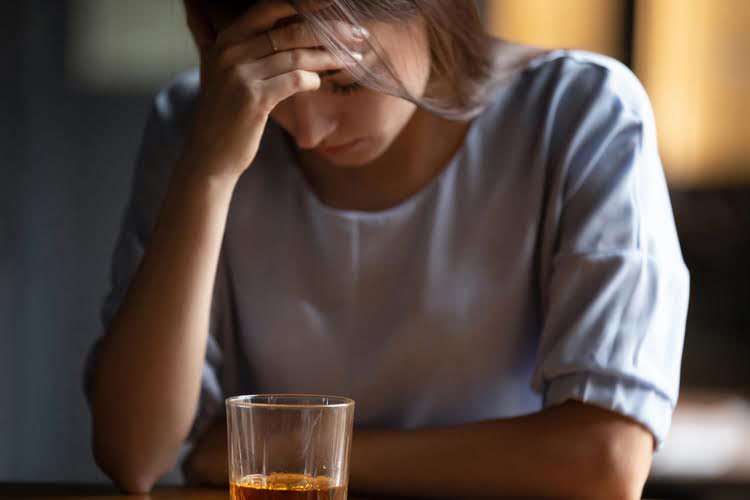
If you’re in the habit of drinking a lot, your muscles are at a higher risk of becoming weak and dehydrated. And of course, let’s not forget about your kidneys here, since they need to filter lots of water in order to break down the alcohol in your body. Since you’re dehydrated, there’s not enough water to filter, so your kidneys will take it out on your muscles. Kidney pain can be https://ecosoberhouse.com/ felt in your upper or lower back or between your lower ribs and your buttocks. You may feel it immediately after having a drink or after you’ve stopped drinking.
This pain may be felt as a sudden, sharp, stabbing pain or more of a dull ache. It may be mild or severe and can be felt on one or both sides of the body. Sometimes doctors may also opt for urine tests to check for signs of infection or crystals indicative of stones forming within the kidneys themselves.
Why Does Drinking Cause Kidney Disease?
This excessive fluid loss can tax the kidneys, forcing them to work harder and impacting their ability to regulate blood volume and pressure. Causes range from kidney stones and infections to liver disease, often intensified by excessive alcohol intake. Your kidneys filter waste products from your blood and help control your blood pressure, electrolyte balance, and red blood cell production. There are numerous causes of kidney failure, ways to effectively treat it, and measures you can take to prevent it. A kidney infection can come about due to a number of causes, including bacteria that enters through the urethra and bladder, and then moves up to one (or both) kidneys. This would be a UTI (urinary tract infection), and drinking alcohol can worsen the severity of a UTI.

Drinking alcohol causes you to urinate more, which leads to dehydration, especially when you drink excessively. This is why alcohol affects the ability of your kidneys in balancing the level of water and electrolytes in your body. When this balance gets upset, it could impair your kidneys and increase your chances of developing kidney stones.
- It’s essential to listen to your body and adjust your intake accordingly.
- The liver, on the right side of the upper abdomen, processes most consumed alcohol.
- This article will delve into the factors contributing to this discomfort, helping you make informed choices about your health and soda consumption.
Sugar, Hypertension and Chronic Kidney Disease
Binge drinking (usually more than four to five drinks within two hours) can raise a person’s blood alcohol to dangerous levels. This can cause a sudden drop in kidney function known as “acute kidney injury.” When this happens, dialysis is needed until a person’s kidney function returns to normal. Acute kidney injury usually goes away in time, but in some cases, it can lead to lasting kidney damage. Kidney pain after drinking alcohol may occur due to acute kidney injury or an infection. Moderate drinking should not cause kidney pain, but binge drinking or frequent drinking may cause kidney problems.
Preventing Dehydration During Alcohol Consumption
If yes, you must immediately consult a doctor as your kidneys may need help. Pelviureteric Junction (PUJ) obstruction may also cause kidney pain after drinking alcohol. The condition refers to the complete blockage of the renal pelvis, which eventually leads to flank pain or back pain. Similarly, drug addiction treatment there’s minimal evidence to suggest that alcohol increases the risk of kidney stones or kidney infections.